Guide · Popterror Studio
Brand mascot ideas: 10 ways to find your company mascot
 By Romain Czysz, 3D artist, co-founder of PopterrorPublished Updated Reading time: 4 min
The short answer
A good company mascot starts from what your brand wants people to feel. The strongest routes: an animal that carries a value, your product brought to life, a character drawn from your name or logo, an invented creature, or a crew of characters. Pick the one that reads at a glance, works in many expressions… and will hold up in 3D if you ever want a figure.
A mascot is a shortcut: people see it and think of your brand. It gives a company a face, livens up social media, welcomes visitors at a trade show, and can become an object your customers keep. You still need the right idea. Here are the 10 routes we explore with brands, and how to choose.
Why a mascot for your company?
- Faster recognition: a character is easier to remember than an abstract logo.
- A human brand: a mascot talks, reacts and has a sense of humour where a company stays institutional.
- Content: social media, advertising, video, packaging, signage.
- Objects: a figure, a blind box or a collector’s edition of your mascot extend the relationship into your customers’ homes.
10 mascot ideas for a business
1. An animal that carries a value
Speed, wisdom, strength, kindness: every animal evokes something. The Duolingo owl is the best-known example. Look for the unexpected animal in your industry rather than the obvious one.
Good for: apps, services, consumer brands.
2. Your product brought to life
The product itself becomes a character, with eyes, arms and an attitude, like the Michelin Man or the M&M’s. The link with what you sell is instant.
Good for: product brands, food, drinks, everyday objects.
3. A character drawn from your name or logo
A letter, a shape or a symbol of your identity becomes a character. It can even replace the logo: that is a mascot logo.
Good for: brands with a strong logo, start-ups, sports teams.
4. An invented creature
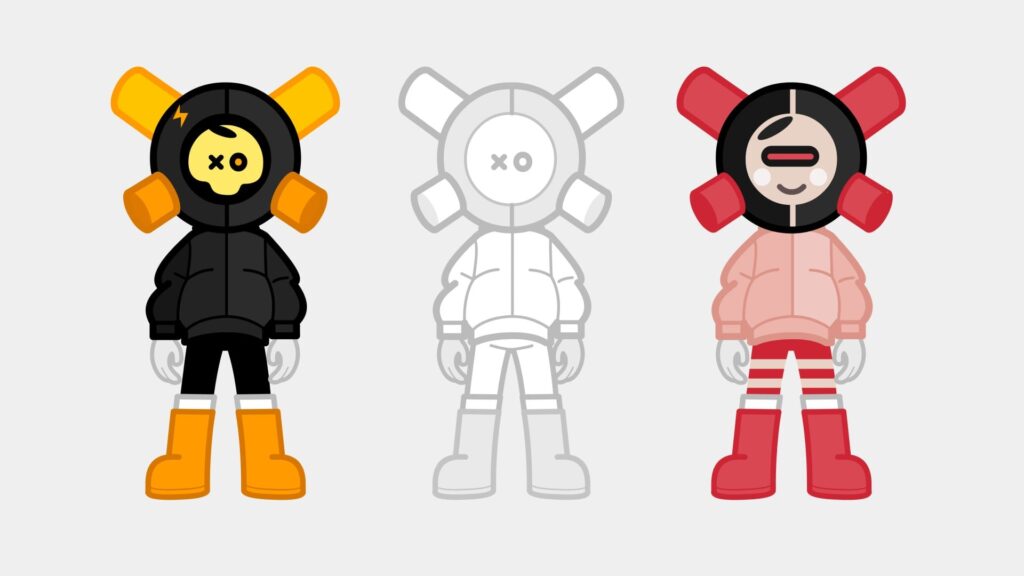
A being from another world, with its own story. That is what we chose for our own character: EQSO, an inhabitant of planet XO, fascinated by our pop culture. A creature belongs to you alone and ages well.
Good for: fashion, streetwear, gaming and entertainment brands.
5. A character from your city or region
A local speciality, a landmark, an emblematic animal: the mascot roots the company in its territory.
Good for: clubs, local authorities, tourism boards, regional businesses.
6. A hero of your trade
The craftsman, the courier, the chef, the mechanic: a stylised version of the people who make your company, with their tools and gestures.
Good for: services, crafts, construction, restaurants.
7. A robot or tech character
For a tech company, an assistant, a piece of software or an AI, a friendly robot makes the invisible tangible.
Good for: software, apps, digital companies.
8. A crew of characters
Rather than one mascot, a team: each with its own style, colour and role. That is the logic of our EQSO The Crew blind box, six characters and a secret figure. A crew lends itself to collections and blind boxes.
Good for: young brands, games, events, marketing campaigns.
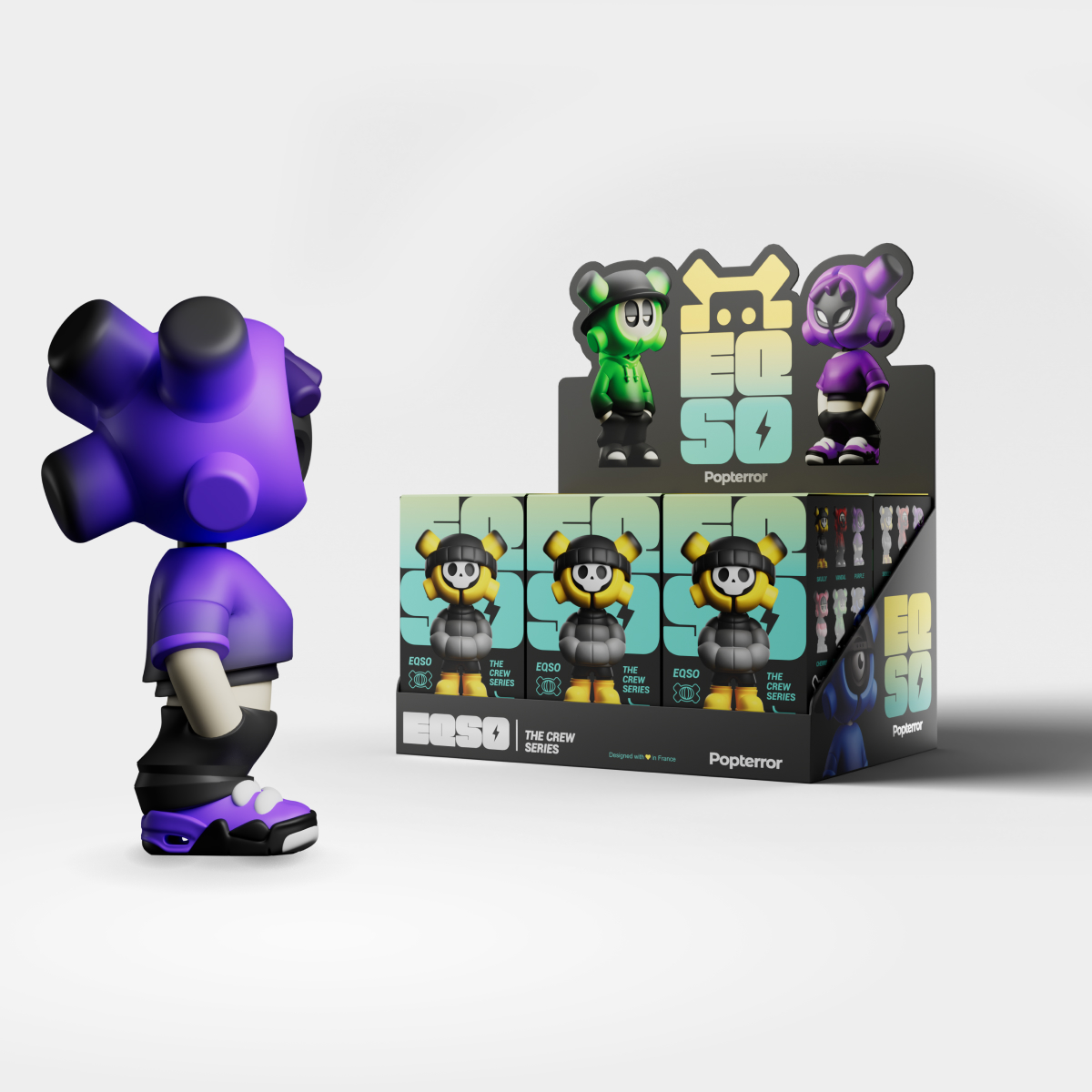
A crew of characters naturally becomes a collection: here, the EQSO The Crew blind box.
9. Your existing mascot, refreshed
Already have an ageing character? It can be redrawn, simplified or taken into 3D while keeping what makes it recognisable.
Good for: established brands, historic clubs.
10. An event mascot
A character created for a trade show, a festival or a brand anniversary, which can change outfits with every edition.
Good for: festivals, trade shows, launches, anniversaries.
How to choose the right idea
An idea that looks great on paper does not always make a good mascot. Before choosing, run it through these five questions:
- Does it read at a glance? A strong silhouette, recognisable at small sizes, on a phone screen as on a billboard.
- Can it be varied? Expressions, poses, outfits: a mascot must be able to live in dozens of situations.
- Does it fit the brand? Colours, tone, values: it must feel right to your audience.
- Is it really yours? Too close to an existing character, it raises rights and recognition issues.
- Will it hold up in 3D? If you can picture a figure one day, think about it from the drawing stage: proportions, balance, details large enough to be moulded.
Mascot logo or full mascot?
A mascot logo is a logo built around a character: it must stay simple and readable at very small sizes. A full mascot lives alongside the logo, with more detail, expressions and staging. Many brands start with one and end up with both: that is why every mascot we create comes with source files and usage guidelines.
From idea to figure
Once a direction is chosen, mascot design has three phases: research and sketches, refining the chosen direction, then the variations (views, expressions, guidelines). Typical timeline: 4 to 6 weeks, from brief to final files. We model the character in 3D from day one so that it can be manufactured: the day you want a figure, a blind box or a collector’s edition, the design work is already done. See our brand mascot design service and our guide to turning your mascot into a figure.
Frequently asked questions
How much does a company mascot cost?
The price depends on the number of directions explored, the level of detail and the deliverables (2D only, 3D, physical figure). At Popterror Studio, each project gets a tailored quote; a mascot with its mass-produced figure starts from €10,000.
How long does it take to design a mascot?
Allow 4 to 6 weeks from brief to final files: research and sketches, choosing and refining one direction, then the variations (views, expressions, guidelines).
Who owns the mascot?
The mascot created for your brand is intended for you. The terms of the copyright transfer are agreed with you, based on your intended uses, and set out in the quote.
How do I name my mascot?
Start from its personality and story rather than its shape: a short name, easy to say in your customers’ languages, and available (check that it is not already a registered trademark in your industry).
Can we turn our mascot into a figure?
Yes, if it is designed for 3D. We turn mascots into mass-produced figures, in vinyl from 300 pieces or in PVC from 1,000 pieces.
Related guides
Read next
How to create a brand mascot that lasts (and sells)
How to create a brand mascot: goals, personality, character design, variations, usage guidelines, mistakes to avoid and what great mascots share.
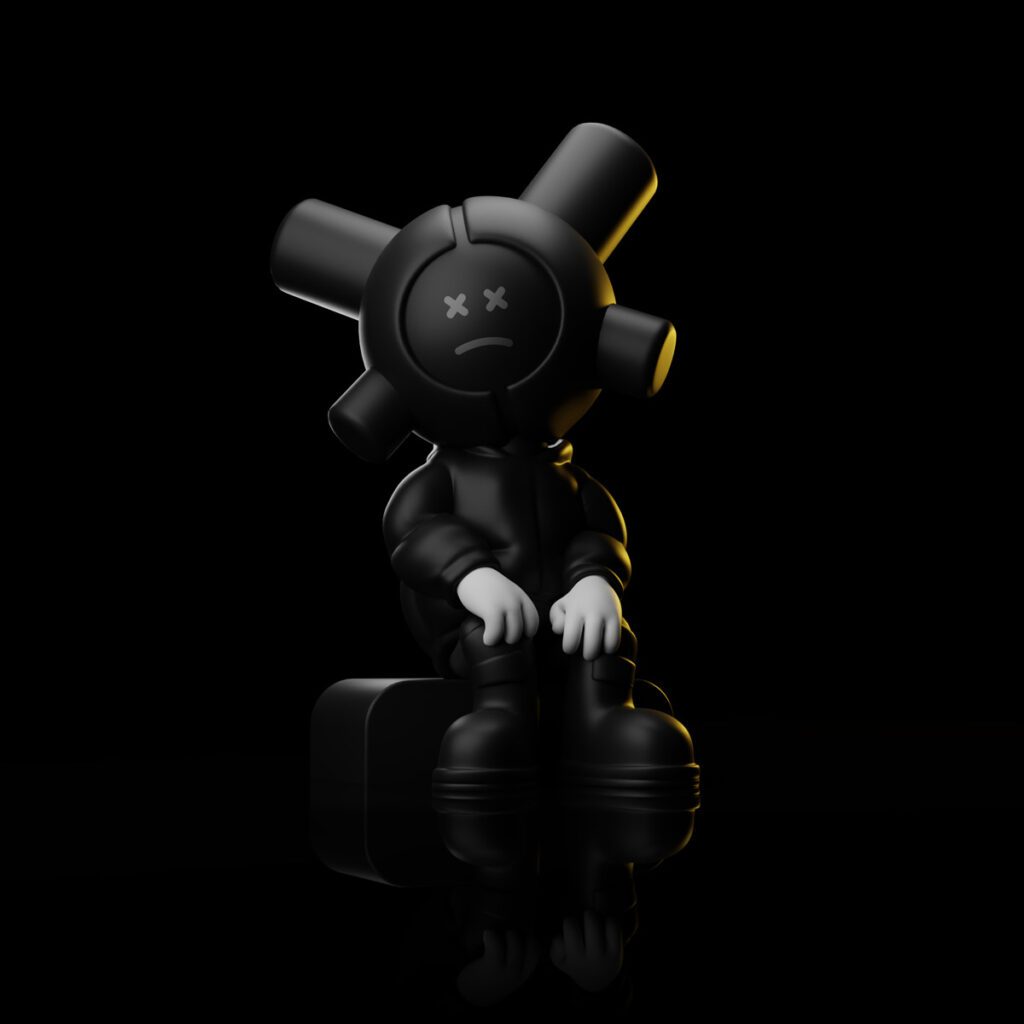
Turn your mascot into a figure: from 2D drawing to object
Turn your mascot into a custom figure: adapting the drawing to volume, 3D, prototype, material and packaging. Make your mascot premium merch people keep.
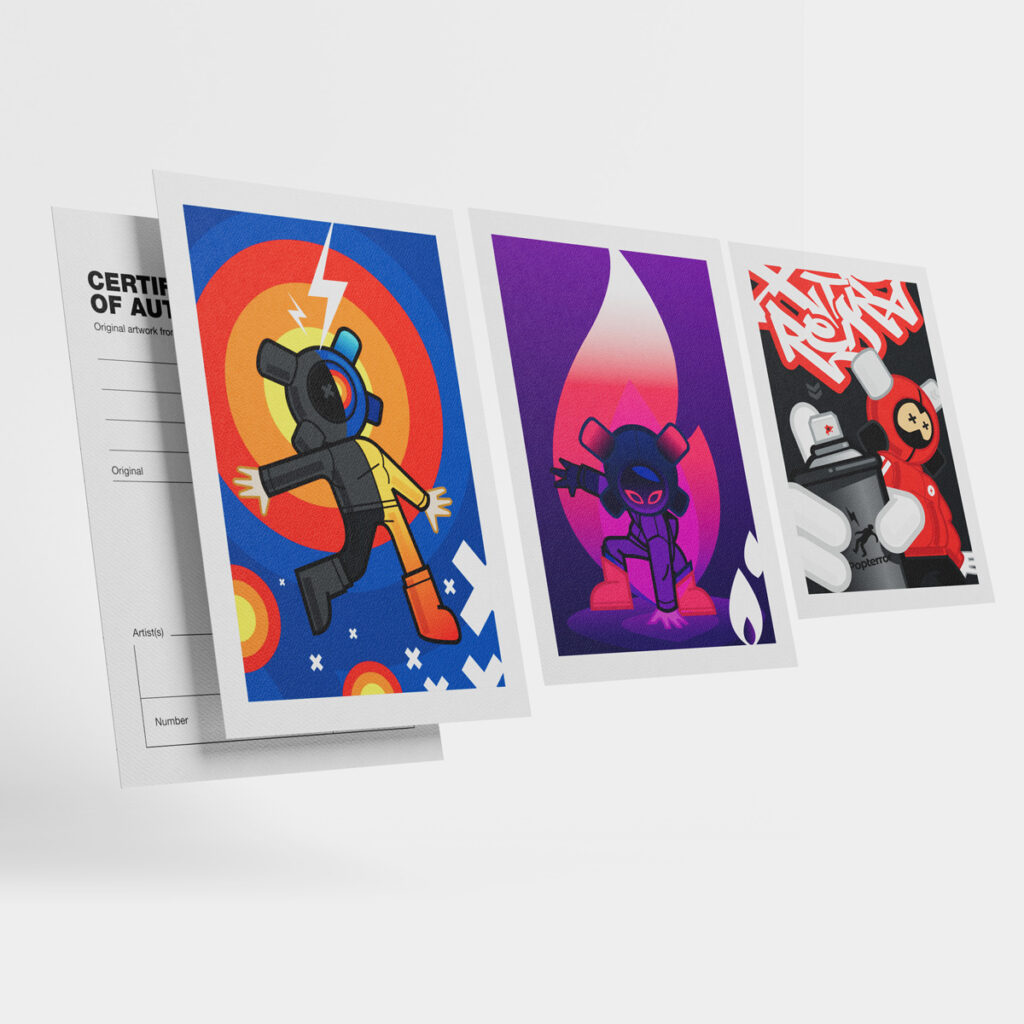
Premium brands and collectible figures: why art toys appeal to luxury
Why premium and luxury brands invest in collectible figures and art toys: scarcity, drops, artist collaborations, packaging and storytelling.